

When it comes to outfitting hotel rooms with the perfect table lamps, the choice between metal and ceramic options can significantly impact the overall aesthetic and functionality of the space. As a hotel table lamp supplier, I've witnessed firsthand the unique characteristics and advantages each material brings to the table. In this blog post, I'll delve into the differences between metal and ceramic hotel table lamps, helping you make an informed decision for your hotel's lighting needs.
Material and Aesthetic Appeal
One of the most apparent differences between metal and ceramic hotel table lamps lies in their material composition and the aesthetic they convey. Metal lamps, often crafted from materials like brass, stainless steel, or aluminum, exude a modern and industrial charm. Their sleek and polished surfaces reflect light, adding a touch of sophistication and contemporary style to any hotel room. Metal lamps can range from minimalist designs with clean lines to more intricate and decorative pieces, making them versatile for various interior design themes.
On the other hand, ceramic lamps offer a warm and inviting aesthetic. Made from clay and fired at high temperatures, ceramic lamps come in a wide range of colors, textures, and patterns. They can add a touch of rustic charm, traditional elegance, or even a pop of color to a hotel room. Ceramic lamps are often handcrafted, which gives them a unique and artisanal quality that can enhance the overall ambiance of the space.
Durability and Maintenance
Another important factor to consider when choosing between metal and ceramic hotel table lamps is their durability and maintenance requirements. Metal lamps are generally more durable and resistant to damage than ceramic lamps. They can withstand bumps, scratches, and everyday wear and tear, making them a practical choice for high-traffic hotel rooms. Metal lamps also require minimal maintenance, as they can be easily cleaned with a damp cloth and mild detergent.
Ceramic lamps, on the other hand, are more delicate and prone to breakage. They should be handled with care to avoid chipping or cracking. However, with proper care and maintenance, ceramic lamps can last for many years. To clean a ceramic lamp, use a soft, dry cloth to remove dust and debris. Avoid using abrasive cleaners or scrubbing the lamp too hard, as this can damage the surface.
Lighting Performance
The material of a hotel table lamp can also affect its lighting performance. Metal lamps are often designed to direct light downward, making them ideal for task lighting. They can provide bright and focused illumination for reading, writing, or other activities. Metal lamps can also be equipped with adjustable arms or shades, allowing you to customize the direction and intensity of the light.

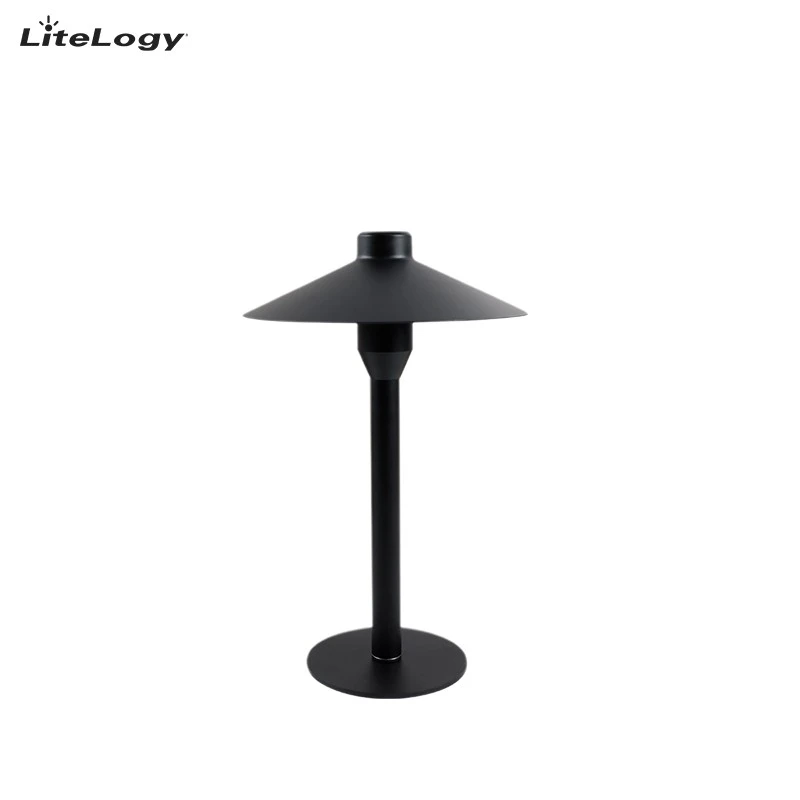
Ceramic lamps, on the other hand, tend to diffuse light more evenly, creating a soft and ambient glow. They are perfect for creating a relaxing and inviting atmosphere in a hotel room. Ceramic lamps can also be used as accent lighting to highlight specific areas or objects in the room.
Cost
Cost is another important consideration when choosing between metal and ceramic hotel table lamps. Metal lamps are generally more expensive than ceramic lamps, as they are often made from higher-quality materials and require more advanced manufacturing processes. However, the cost of a metal lamp can vary depending on the brand, design, and features.
Ceramic lamps, on the other hand, are typically more affordable than metal lamps. They are often mass-produced, which allows for lower production costs. However, the cost of a ceramic lamp can also vary depending on the quality, size, and design.
Examples of Metal and Ceramic Hotel Table Lamps
To give you a better idea of the different types of metal and ceramic hotel table lamps available, here are some examples:
- FL001 Swirl & Serenity—Cordless Filament Glow Table Lamp: This metal lamp features a unique swirl design and a cordless filament glow, making it a modern and stylish addition to any hotel room.
- Torch Table Lamp: This ceramic lamp is inspired by the traditional torch, with a warm and inviting glow. It is perfect for creating a cozy and intimate atmosphere in a hotel room.
- Luxury Cordless Table Lamp: This metal lamp combines luxury and functionality, with a cordless design and adjustable lighting options. It is ideal for high-end hotel rooms.
Conclusion
In conclusion, the choice between a metal and a ceramic hotel table lamp depends on your specific needs and preferences. Metal lamps offer a modern and industrial aesthetic, durability, and excellent lighting performance, while ceramic lamps provide a warm and inviting atmosphere, affordability, and unique design options. By considering the material, aesthetic appeal, durability, maintenance, lighting performance, and cost of each type of lamp, you can make an informed decision that will enhance the overall look and functionality of your hotel rooms.
If you're interested in purchasing hotel table lamps for your establishment, I encourage you to contact me to discuss your specific needs and preferences. I'm happy to provide you with more information about our products and services, and to help you find the perfect lamps for your hotel.
References
- "Materials and Design in Lighting Fixtures." Lighting Research Center, Rensselaer Polytechnic Institute.
- "Ceramic vs. Metal: Which is the Best Material for Your Table Lamp?" Home Decor Bliss.
- "The Benefits of Metal and Ceramic Table Lamps in Hotel Rooms." Hotel Design Magazine.